
Gum Disease Treatment Lakeway
Gentle & Effective Gum Disease Treatment
A healthy and appealing smile is not just about your teeth. It all starts with healthy gums. They not only serve to support your teeth, but they also deliver needed oxygen and nutrients. Sadly, many dental patients overlook their soft tissue and end up with gum disease. Preventing and treating it when it does occur is crucial. That is why at Oris Dental Studio, we offer gum disease treatment and prevention services. Continue reading below to learn how we can help your smile thrive, or contact our Lakeway team directly to request a consultation.
Why Choose Oris Dental Studio for Gum Disease Treatment?
- Effective, Non-Surgical Treatment Options
- Compassionate & Skilled Dental Team
- Flexible Payment Options, Including CareCredit
What Is Gum Disease?
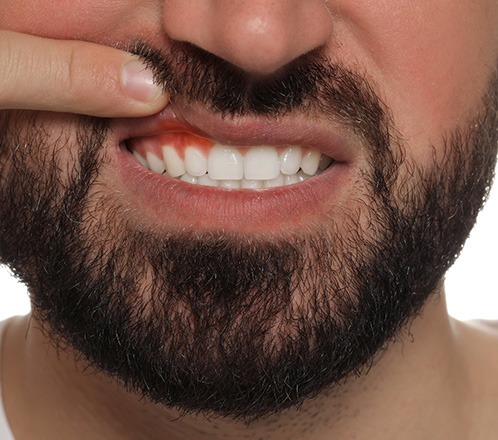
Gum disease is an infection of the soft pink tissues that surround the base of the teeth. It occurs when harmful bacteria are allowed to multiply and sneak beneath the gumline, leading to inflammation and other problems.
Around half of the adults in the U.S. have some form of gum disease. Left untreated, this condition can lead to numerous complications, including tooth loss and systemic health problems, such as heart attack, stroke, and more. Poor oral hygiene, diabetes, and smoking are all risk factors for gum disease.
Symptoms of Gum Disease

There are two stages of gum disease. Gingivitis, its earliest form, is relatively mild and can cause symptoms like:
- Gum swelling and inflammation
- Dark and discolored gums
- Halitosis (chronic bad breath)
- Toothache or dental sensitivity
- Gums that bleed easily when you brush and floss
The advanced form of gum disease, periodontitis, is characterized by permanent damage to the oral tissues. It can cause the same symptoms as gingivitis. It may also lead to:
- Significant gum recession (your teeth may appear unusually long)
- Loose teeth
- Tooth loss
- Changes in the fit of restorations, such as dentures
How Do We Treat Gum Disease?

We will need to evaluate your case before we can recommend a treatment. In some cases, mild gum disease can be reversed via thorough at-home care. In other cases, professional intervention is necessary. Depending on your situation, we might recommend one of the following:
Scaling & Root Planing
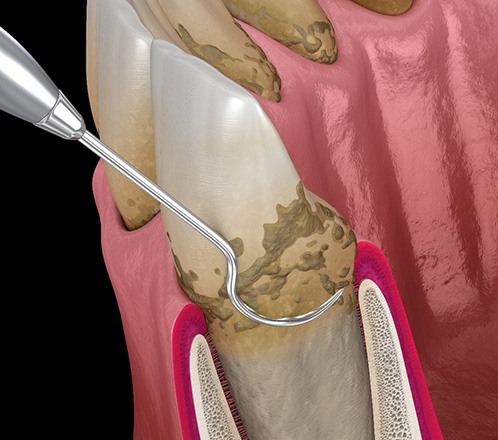
For patients with mild to moderate gum disease, we advise scaling and root planing. This treatment is a two-phase “deep cleaning” of your gums, aimed at removing the bacteria behind your infection. The initial scaling uses tools to rid tartar and plaque from your gumline. Later, root planing smooths your tooth roots to ensure your gums reattach properly. For more details about this procedure, please keep reading or call our office.
Do I Need Scaling & Root Planing?
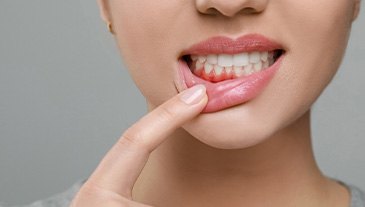
You can learn whether you need scaling and root planing by consulting Dr. Pedersen. When you arrive at our office, he’ll conduct an oral exam that checks for key symptoms. These include:
- A large or excessive buildup of plaque
- Puffiness or swelling of the gums
- Sensitive and bleeding gum tissues
- Moderate to severe gum recession
- Persistently bad breath (i.e., halitosis)
While the signs above can be reversed with good oral care, they warrant scaling and root planing when your infection is severe. Only treatment undoes the symptoms in the latter case.
The Process of Scaling & Root Planing
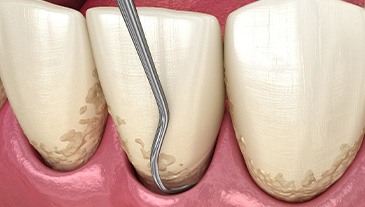
Being a two-phase treatment, scaling and root planing takes two dental visits. The first one performs the initial scaling, while the second session does the root planing.
The true “gum cleaning” occurs at the scaling visit. Through that appointment, our team uses dental tools to remove plaque and tartar from around your gumline. This work even ensures ideal results by moving as far down as your actual gum pockets.
The subsequent root planing helps you recover properly. As we smooth out your tooth roots and eliminate their bacterial deposits, our team makes sure your gums reattach healthily. The latter effect reduces your risk of a re-infection.
Aftercare Tips for Scaling & Root Planing

Patients need a few weeks to heal from scaling and root planing, and recovery often involves some oral aches and pains. That said, you can manage your post-treatment soreness by doing the following:
- Get Enough Rest – Don’t perform intense physical movements right after treatment. If you do, you’ll overwork your body and make your recovery take much longer.
- Be Careful with Food – In the days following your treatment, only eat soft foods that won’t irritate your gum tissues. Please avoid alcohol, acidic drinks, and anything spicy as well.
- Gently Brush Your Teeth – You can prevent gum irritation by brushing your teeth gently with a soft-bristled toothbrush. In particular, you’d just need to stick to slow and circular motions.
- Do Salt Water Rinses – It’s a good idea to rinse your mouth with saltwater soon after treatment. If you do these rinses every so often, you’ll reduce your gums’ irritation and loosen lingering debris.
Antibiotic Treatment

Antibiotics can do much to fight harmful bacteria and help you recover from gum disease. We offer prescription mouthwashes that can help with this. We may also provide Arestin, a special antibiotic that is placed directly into the pockets between the teeth and gums. Often, scaling and root planing and antibiotic therapy work together to provide optimal results.